FREE LOCAL DELIVERY over $99! SHOP In-Store and Save! CALL or TEXT 408-227-7272 - DIRECTIONS


Your cart is currently empty
Product image slideshow Items
Available in store
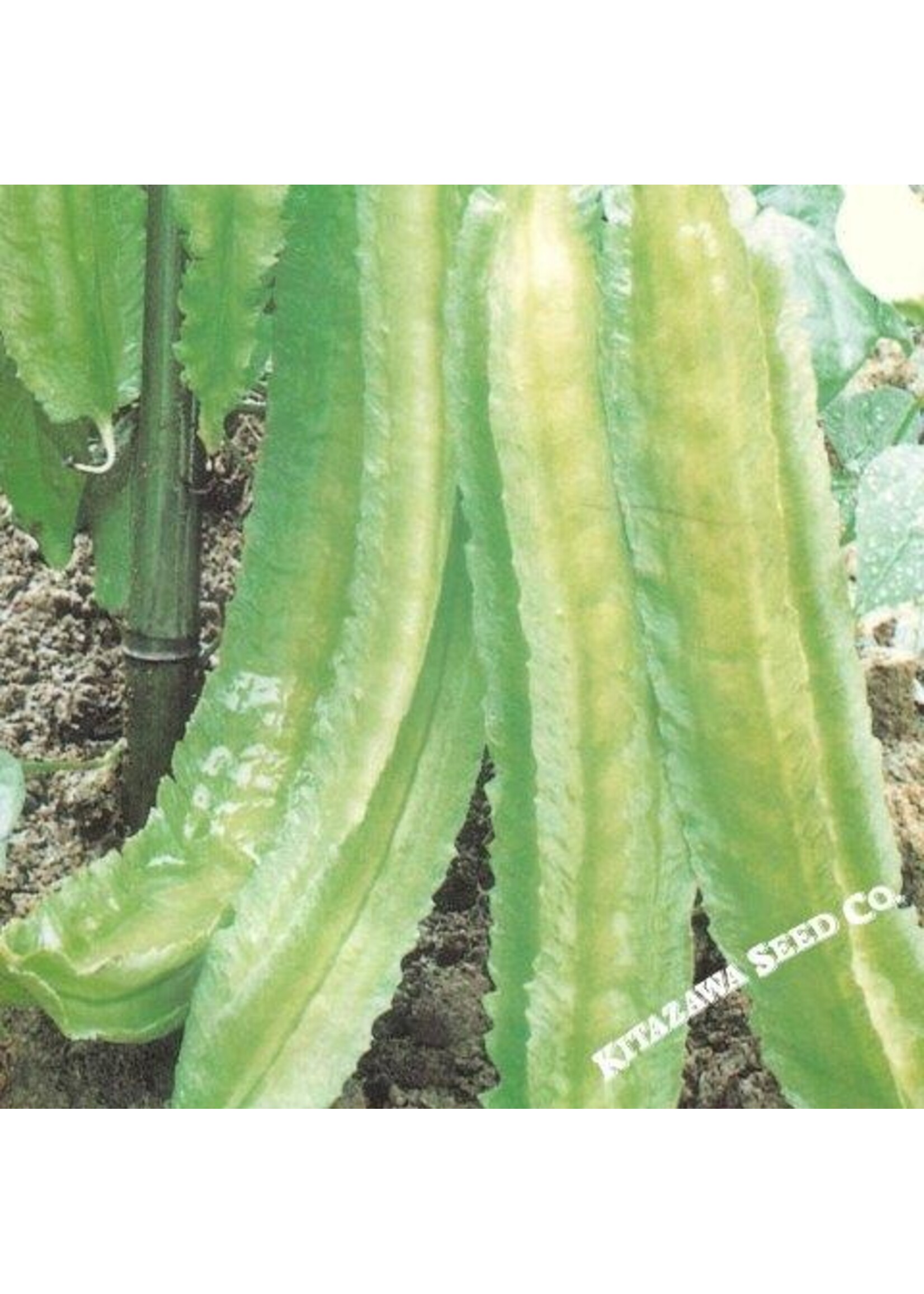
Close80-100 days maturity. Psophocarpus tetragonolobus Winged Bean Seeds. Non-GMO, Heirloom. Warm-season annual. This Winged bean is grossly underutilized in much of the world. It has the potential to be prominent in food production when people recognize its great worth. This unassuming bean has similar high-protein content to the widely used soybean. Every part of the plant is high in protein; even the flowers can be up to 15%! Winged beans are originally tropical and thrive in regions with heavy rainfall, but can be adaptable to multiple climates. —Approx 110 seeds / oz.
Other Common Names: Asparagus pea, Winged pea, Four Angled bean, four-cornered bean, Manila bean, cigarillas, Princess bean, goa bean, kecipir, and Dragon bean.
Seeds can be difficult to germinate. For better germination, pre-sprout seeds indoors by soaking in water for 24 hours until swollen and then keep at 77°F until sprouted. Scarify seed coats of the ones that did not swell, and resoak. Plant when they sprout. Keep soil moist. Fertilize sparingly. Train to grow on vertical supports. Large vigorous vines can reach 9-12'.
The growing temperature can affect what the plant yields. Lower temperatures increase tuber production; higher temperatures increase leaf and bean production. Fertilizers are not usually needed where fertile soil is present. Keep the area weed-free.
The young green pods are usually ready for harvest 2-3 weeks after flowering. 3-4 weeks after flowering, the pods become fibrous and undesirable for eating. Wait until the pods turn brown and crack open (about 6 weeks after flowering) for dry bean harvest.
High in protein and rich in vitamin A, C, calcium, and iron, almost every part of the plant is edible. The young beans are used as a vegetable similar to green beans; the leaves are cooked and eaten like spinach; the roots are similar in usage and texture to potatoes; the flowers are edible and used as garnishes or dyes. Lastly, the dried seeds can be ground and used for flour. Ensure thorough cook time for the dried beans to destroy the naturally occurring toxins.
“The more I learn about the different fruits and vegetables this abundant earth offers, the more I realize how narrow-minded most of western society is when it comes to food. Skip the classic french beans this year and opt for the ever-useful winged bean!”
