FREE LOCAL DELIVERY over $99! SHOP In-Store and Save! 408-227-7272 - DIRECTIONS


Your cart is currently empty
Product image slideshow Items
Available in store
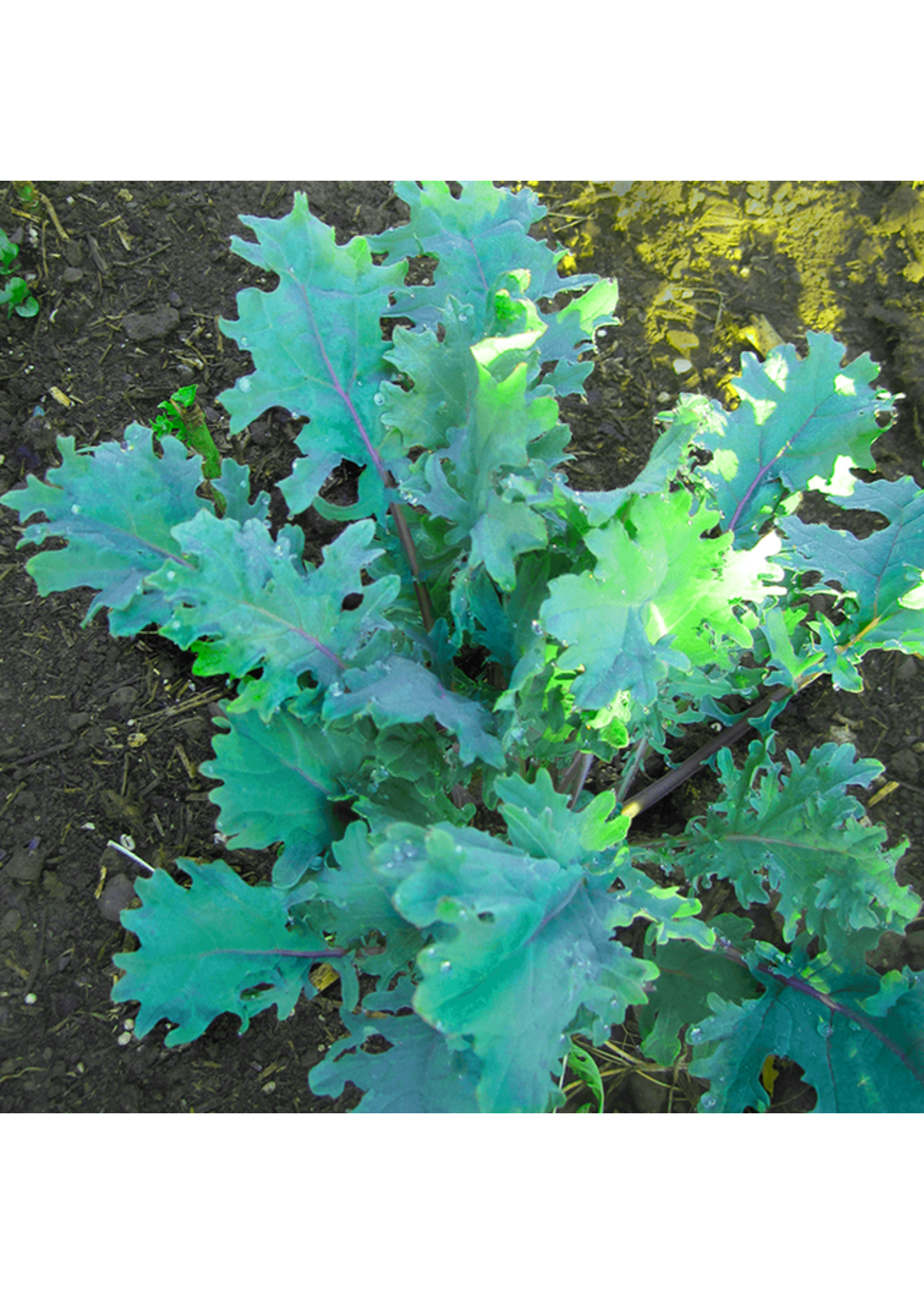
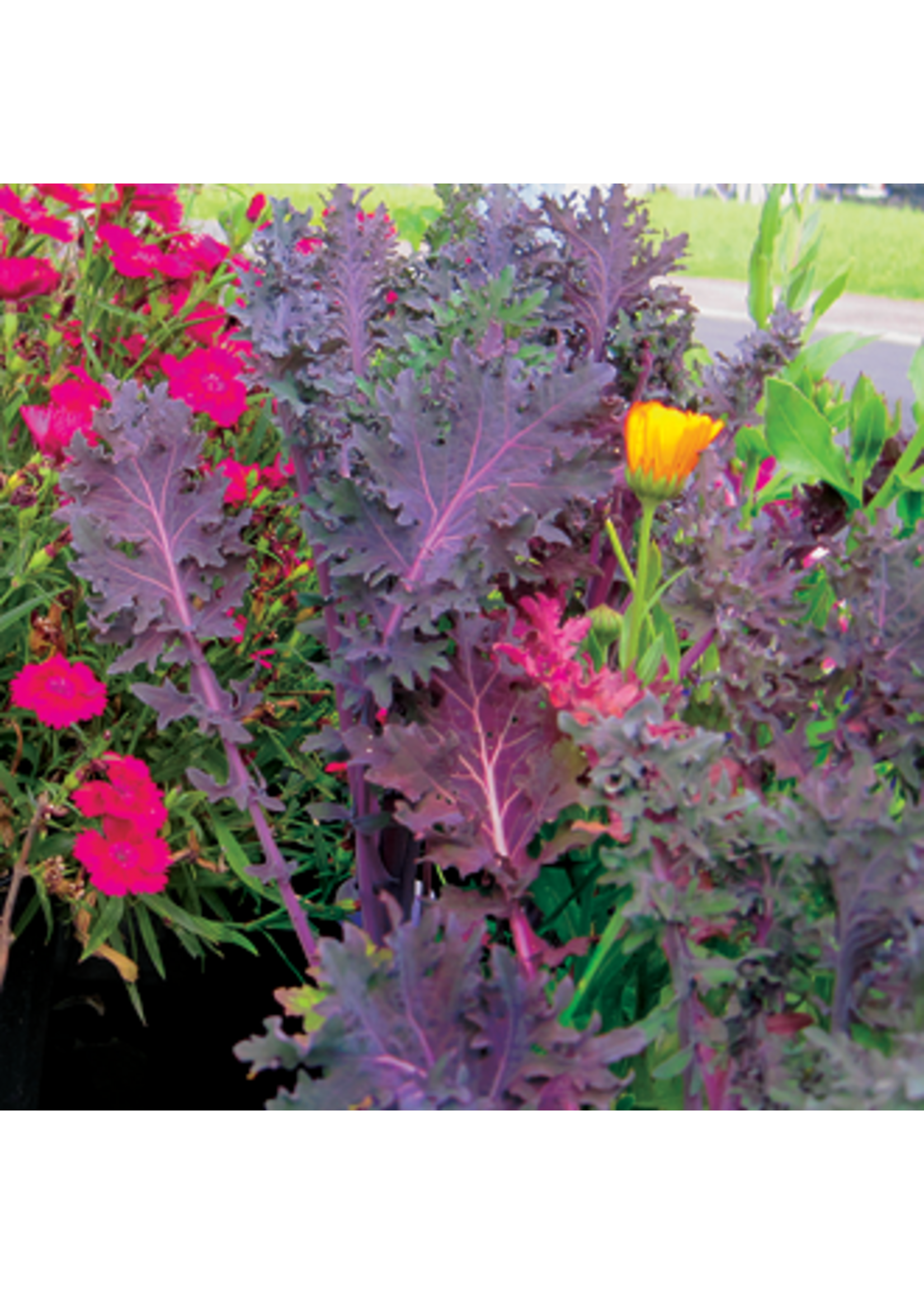
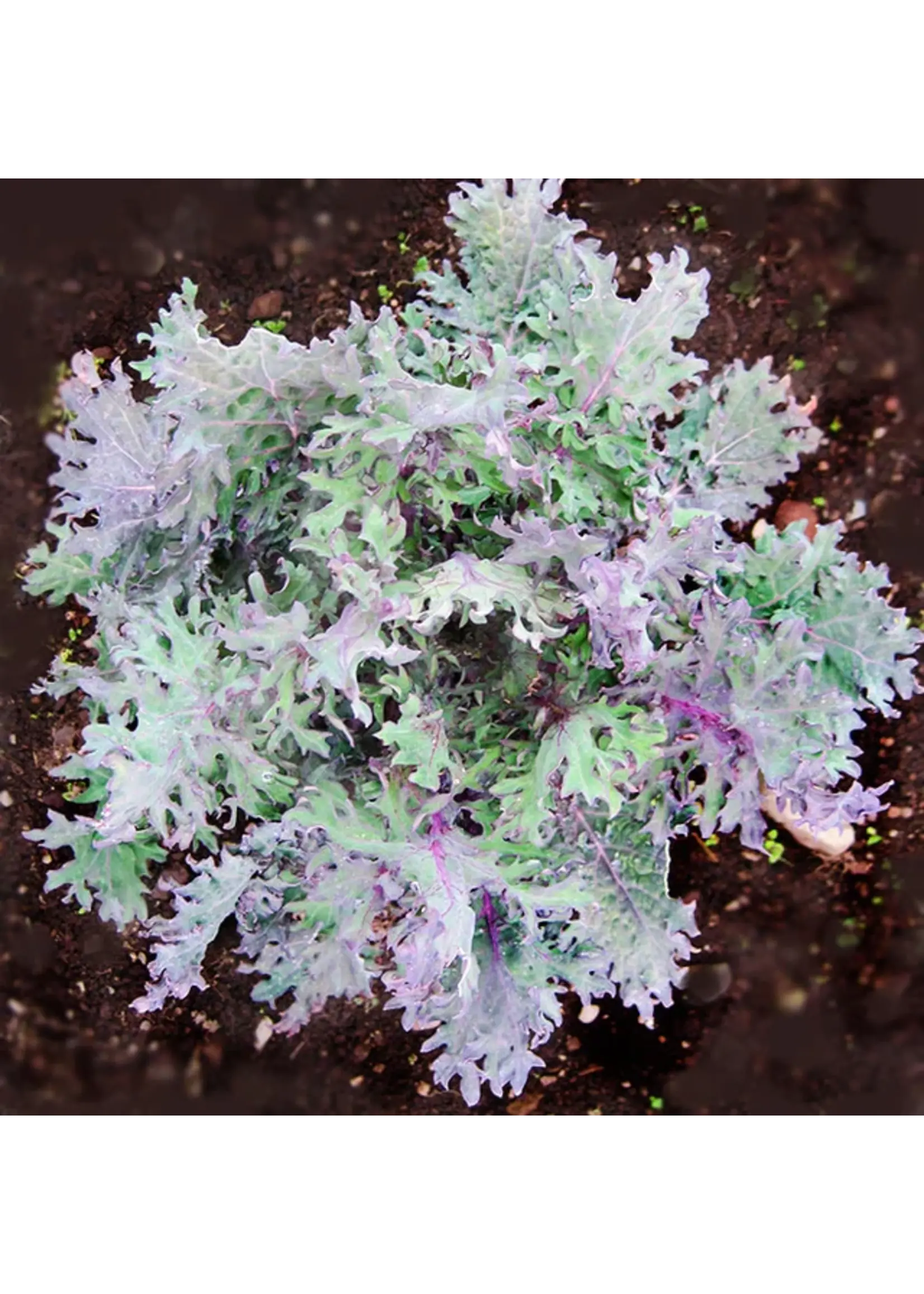
CloseA classic, and the parent of many recent kales, still unsurpassed for tenderness and cold-hardiness. The photos show it in summer, then fall and winter. It has long been favored as an ornamental edible, and is handsome in containers along with flowers, as shown in the 3rd photo, which shows it's cold-weather coloration.
Red Russian Kale is everywhere now, but in the early 80's it was virtually unknown in American seed catalogs, cookbooks, and gardens. For that matter, kale itself was a rare and seldom-seen vegetable, generally known only as a primitive ancestor of cabbage, in the form of Dwarf Scotch or Vates. (Brassica oleracea) The Siberian and Russian kales--which are Brassica nappus--were known mostly to just seed-savers and specialists until the Abundant Life Seed Foundation made them available in their catalog. Within a few years, they have become one of the most widely-grown and widely eaten of homegrown vegetables, available in many forms and under many names. This is a hardy and dependable strain of the original.
