FREE LOCAL DELIVERY over $99! SHOP In-Store and Save! CALL or TEXT 408-227-7272 - DIRECTIONS


Your cart is currently empty
Product image slideshow Items
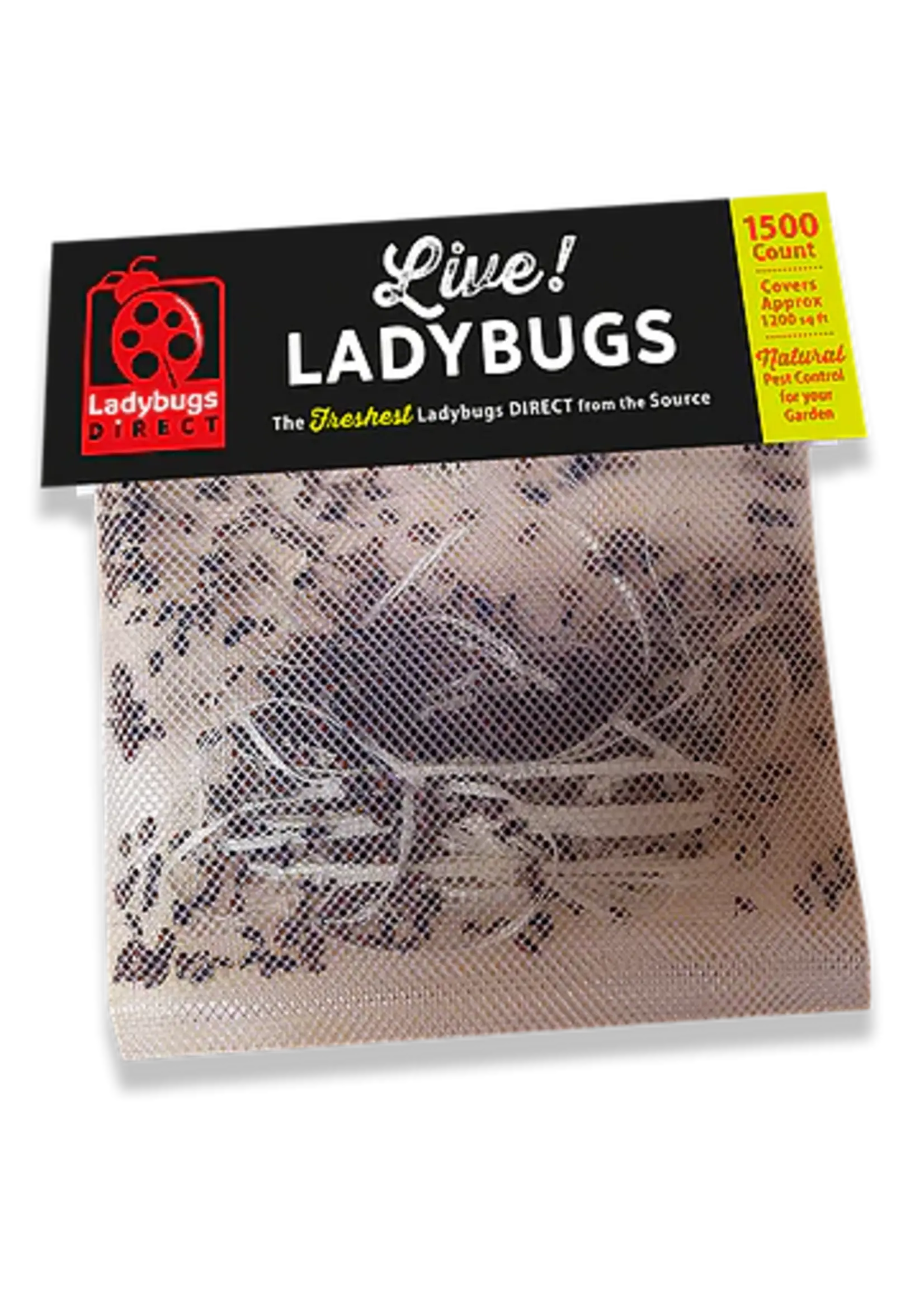
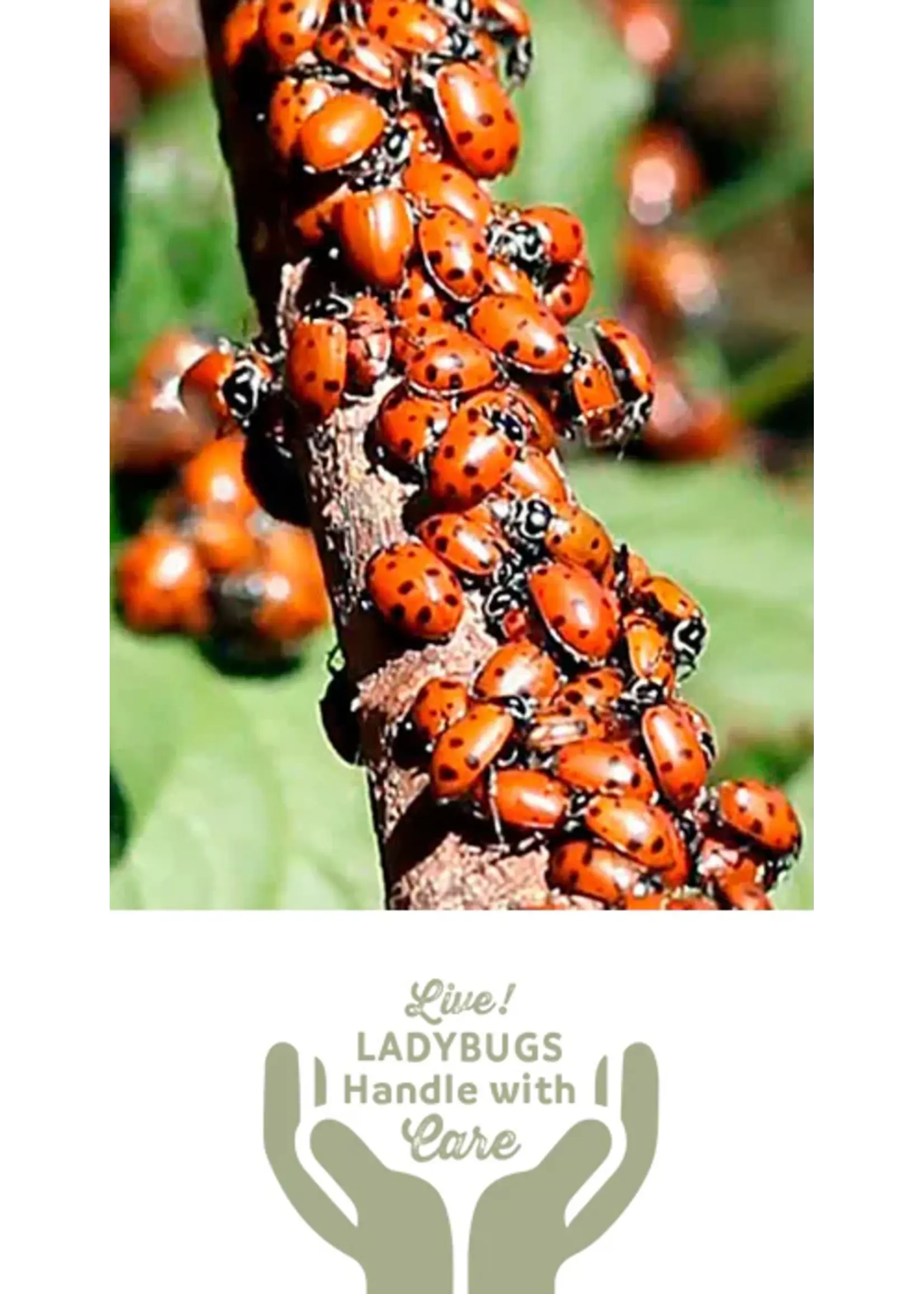
Also known as the convergent lady beetle, LADYBUGS are among the most recognized garden allies. They exhibit the typical round dome shape of the Coccinellidae family, measure about 5-8mm, and have red to orange colored wing covers adorned with black spots
Available in store
CloseOur most popular size for home gardeners who want to use natural pest control in their gardens. Live, healthy ladybugs are the best natural alternative to chemically based pesticides. They do a great job helping reduce and eliminate many soft-bodies pest insects and diseases, including, but not limited to:
Try some of our fresh ladybugs in your garden today!
Ladybugs eat aphids, spiders mites, whiteflies scale, thrips, mealy bugs, leafhoppers, bollworms, tomato fruit worms and many other soft-bodied insect pests without harming your plants.
Take great care not to crush, freeze or overheat this bag of live ladybugs. Ladybugs can be stored in the refrigerator (above freezing) for up to 3–4 weeks.
Release ladybugs during the evening hours after sprinkling the affected areas with water. This will allow the ladybugs to settle in your garden and provide moisture for them to drink.
To help keep ladybugs happy in your garden, add flowering plants in spring that produce nectar and pollen to help sustain them until the pests they eat grow and reproduce.
