FREE LOCAL DELIVERY over $99! SHOP In-Store and Save! 408-227-7272 - DIRECTIONS


Your cart is currently empty
Product image slideshow Items
Available in store
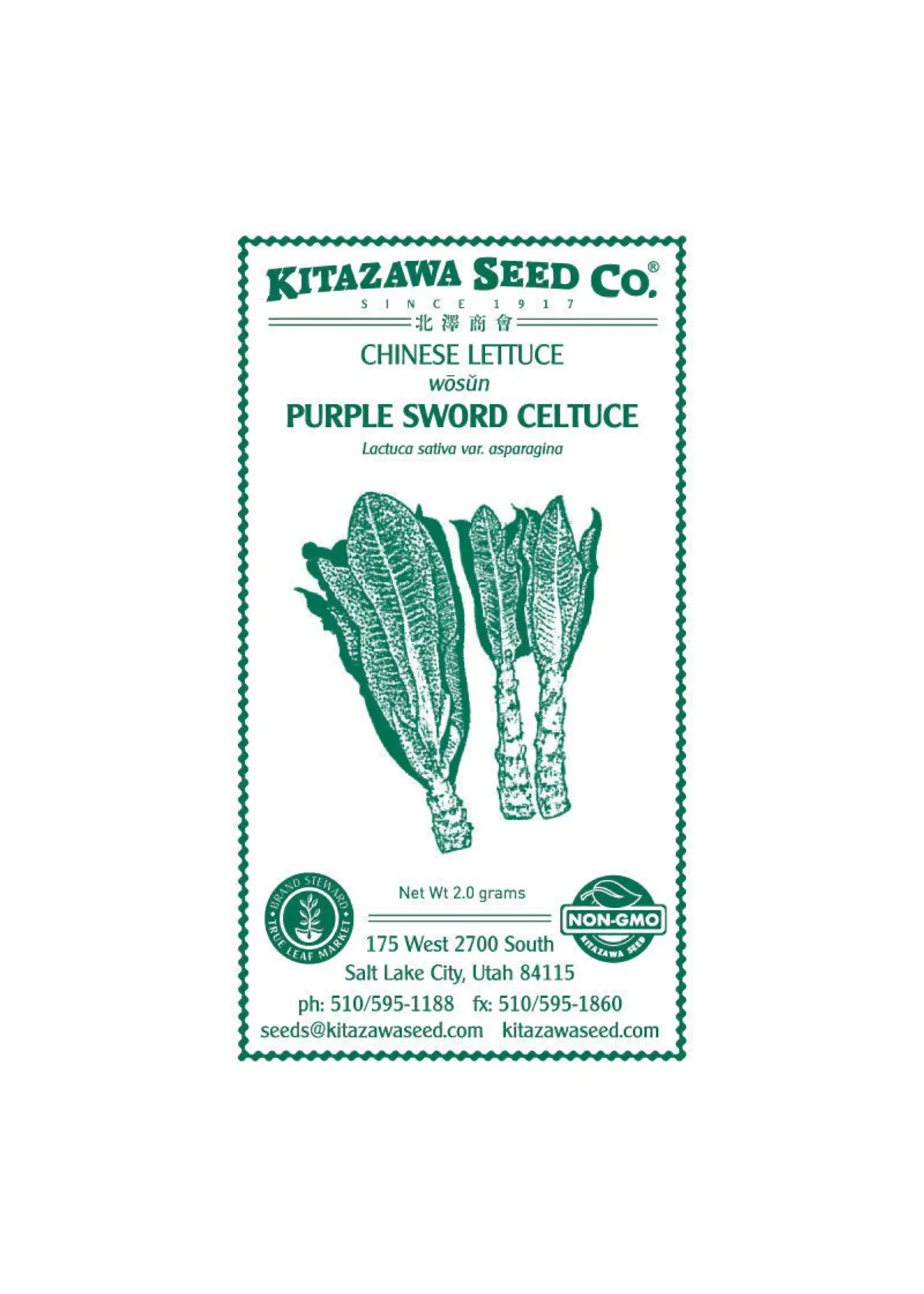
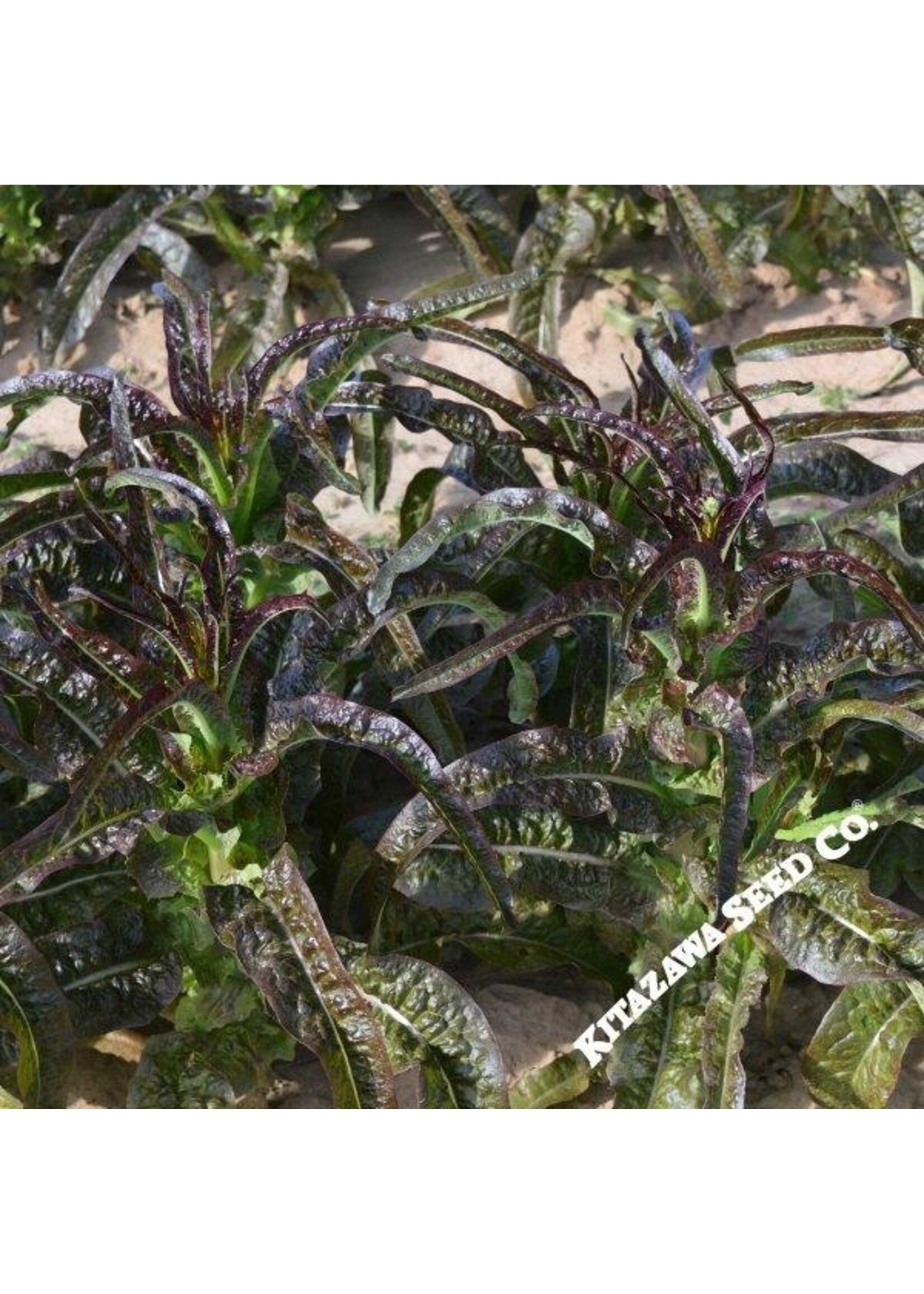
Close75-85 day maturity. Lactuca sativa var. asparagina ‘Purple Sword Celtuce’. Purple Sword Celtuce Lettuce Seeds. Non-GMO, cool-season annual heirloom. This variety of Chinese stem lettuce has good tolerance to cold and cracking. Chinese stem lettuce originated in southern China and came to the U.S. in the 1800s. It is grown for the stalks and leaves, which can be used as Choi in stir-fries with meats. The leaves are greenish purple, and the stem skin is light purple. Purple Sword is best for spring and fall planting.
Other Common Names: Stem lettuce, asparagus lettuce, celtuce, Chinese lettuce, wo sun, wo ju sun, jing wo ju, tender stem lettuce, ngao lei shaang tsoi, woo chu, woh sun, kaki jisha, keman ayer, kuki chisha, or stemuretasu.
Prepare fertile, well-draining soil. In cool climates, sow seeds in a bright location in spring after the last frost or in the late summer to early fall. Sow seeds in trays, then later transplant them into a growing bed. In temperate areas, sow in spring or fall. In tropical climates, sow year round, avoiding the mid-summer. Seeds need light to germinate; do not bury. Keep the soil damp; celtuce has a shallow root system. Moderate watering is needed once the stems emerge. Too little or too much water can cause cracking. Apply liquid fertilizer or compost tea every three weeks.
If desired, pick individual outer leaves before the plant is ripe but do not pick too many at any one time. Cut down the entire plant before flowering, when the stems are at least 1” in diameter and 1” tall.
Use the young leaves in salad or cook them lightly (about 4 minutes). Eat the stalks fresh or cooked. Peel the outer skin and slice the stem; add to salads, pickled sides, soups, and stir-fries. To preserve freshness, don’t remove the leaves from the stalk until you are ready to consume them. Older leaves are usually too tough for enjoyable consumption.
“If you live in a colder climate like me, you can cover celtuce plants with cloches or tunnels to extend the growing season into the autumn.”
